The role of AI in literary translation
Harlequin France tests machine translation tools
HarperCollins France partners with AI-integrated translation agency Fluent Planet to counter declining sales, sparking pushback from translators advocating for the value of human expertise.

photo / Video: AI generated, Freepik
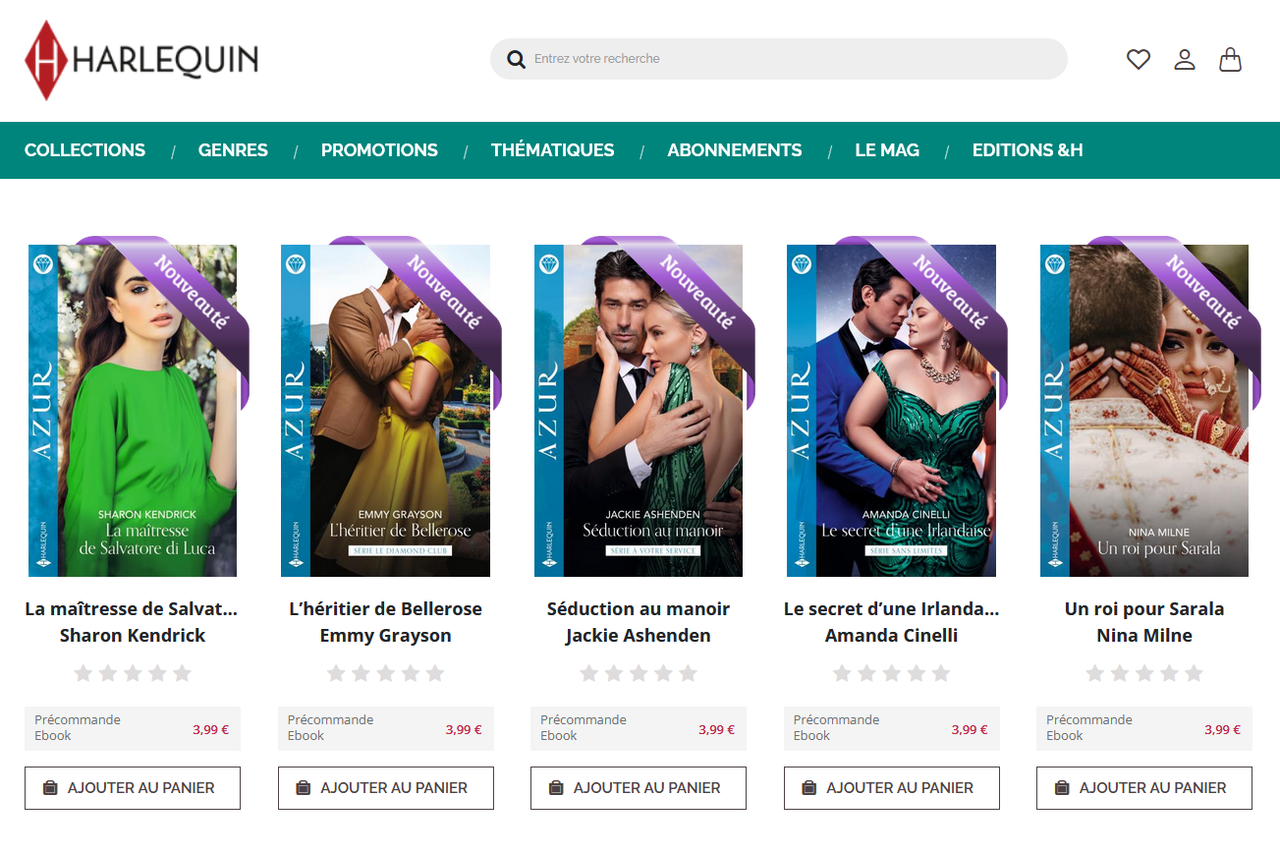
HarperCollins France has confirmed a partnership with Fluent Planet, a Bordeaux-based communications agency, to integrate artificial intelligence into their translation services. This collaboration, currently in a testing phase, aims to counter declining sales for the Harlequin "Azur" series in the French market. By optimizing workflows and cutting costs, the publisher seeks to maintain its low price point of €4.99.
However, the initiative has sparked significant pushback from professional bodies, including the Association des Traducteurs Littéraires de France (ATLF) and the collective En Chair et en Os (In the Flesh), reigniting the debate over technological efficiency versus human creativity.
A growing industry trend
The adoption of AI in publishing is an expanding global phenomenon:
United Kingdom: In March 2025, academic publisher Taylor & Francis began using AI-assisted tools to make books accessible that would otherwise remain unavailable to English-speaking readers.
Germany: In 2024, an author reported a request from Bastei Lübbe to edit an AI-generated translation at a significantly reduced fee. The Association of German-Language Literary and Scientific Translators (VdÜ) has also consistently campaigned against these shifts to protect member interests.
Start-ups: Companies like GlobeScribe and Ailaysa are increasingly leveraging AI to manage backlist titles and serve niche or low-resource language markets.
The impact on the profession
Translator and author Pieke Biermann highlights that AI is already reshaping the day-to-day work of linguists. "We don’t necessarily receive assignments to translate an entire book from the original as humans anymore," she explained. "Instead, we get this AI-produced jumble of text, and we’re supposed to edit it. But that’s not really editable." She emphasized that the process often requires the double burden of correcting machine errors while simultaneously verifying the original source text.
The hybrid model vs. creative integrity
HarperCollins and Fluent Planet defend the trial as a hybrid approach, where experienced translators use AI for initial drafts followed by human post-editing. The publisher clarified that no Harlequin collection is currently translated solely by machine.
Despite these assurances, critics remain unconvinced. The ATLF and "In the Flesh" issued a joint statement claiming these methods prioritize mechanized efficiency over quality. "We must not accept ‘automatic translation’ getting its foot in the door," the organizations stated, calling for a reaffirmation of human-created content under fair labor conditions. They argue that while AI can assist with repetitive tasks, it cannot replicate the creative intuition or the "soul of a story" required to adapt literary works for new audiences.
Navigating the path forward
The introduction of AI-assisted translation represents both a lifeline for shrinking margins and a threat to creative integrity. For publishers, the challenge lies in utilizing digital transformation without compromising the authenticity readers value. As Biermann and other global translators note, the ultimate question is whether AI will remain a tool for collaboration or become a mechanism to systematically replace human expertise.