Audiobooks in Sub-Saharan Africa
Listening to a cultural renaissance. By Ama Dadson
“I see how naturally audio fits into daily life. Smartphones are everywhere, yet books remain out of reach. Audiobooks, once niche, are now a powerful way to expand reading, strengthen literacy, and put African voices at the center of storytelling.”
Ghanaian publisher Ama Dadson serves one of the most buoyant communities globally, Sub-Saharan Africa, with an estimated 200 million or more proficient readers of English alone. Many more than these fluently understand spoken English, to mention only this language. Add the persons who understand one or more of the 2000 African languages—massive multilingualism is far more widespread than in Europe or the US—and you’ll get a ten-digit figure of possible audiobook listeners and buyers.
African publishers and audiobook companies are discovering this field in their hundreds, facing obstacles connected mainly with infrastructures, purchasing power, low investment, and awareness. Publishers and investors who are willing to tackle the issues which make African publishing markets challenging may be richly rewarded, Ama Dadson claims.
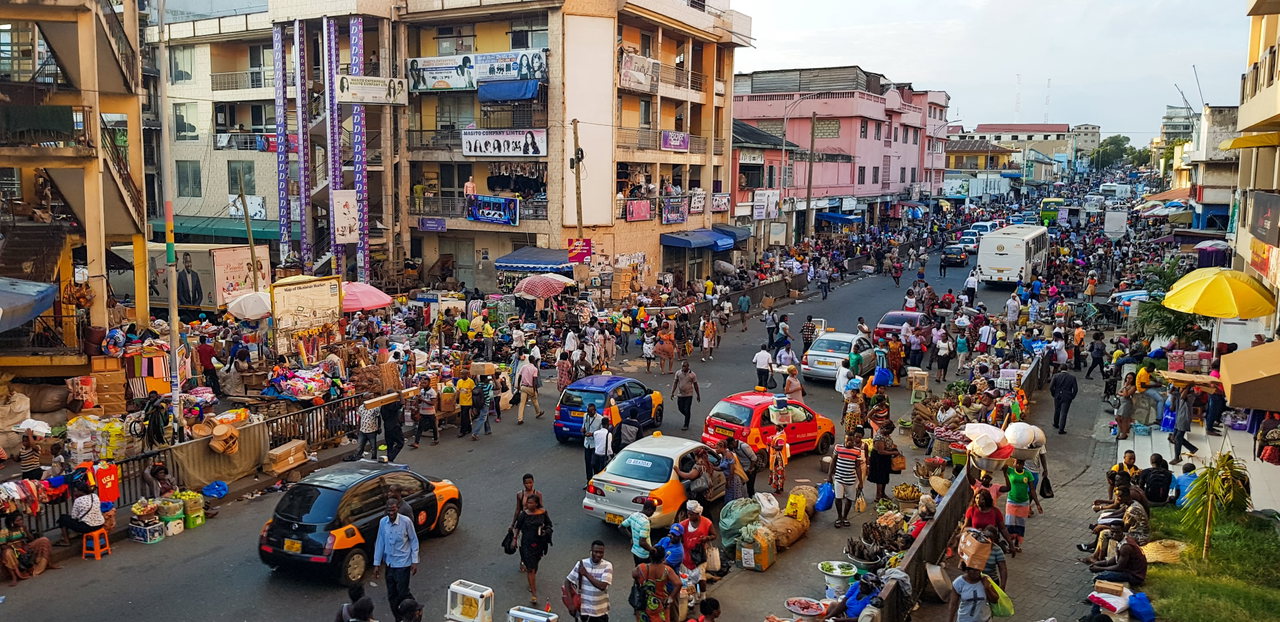
Credit photo Central Accra: Muntaka Chasant (unedited from Wikipedia/CC BY-SA 4.0)

When I founded AkooBooks Audio, I discovered that producing audiobooks in African languages was about far more than recording voices. It meant building studios, training narrators, navigating rights, and reaching audiences who had never held a book. Every completed audiobook felt like a small victory against steep structural challenges.
In busy markets or stuck in traffic on buses in Accra, Lagos, or Nairobi, I see how naturally audio fits into daily life. Smartphones are everywhere, yet books remain out of reach. Audiobooks, once niche, are now a powerful way to expand reading, strengthen literacy, and put African voices at the center of storytelling.
Why audio works here
Africa is one of the world’s youngest and most mobile-first regions—over 60 % of the population is under 25. For many, the smartphone is the primary gateway to information and learning. Traditional publishing struggles: books are expensive relative to income, shops are scarce, and libraries are under-resourced. Audio fits seamlessly into daily life, during tedious domestic work, sports and fitness routines, or in areas with unreliable electricity.
Our rich oral storytelling traditions make audio culturally intuitive. Stories told in authentic voices resonate deeply and preserve the nuance that written text sometimes misses.
Boosting literacy and learning
Reading culture is still developing across Africa. Many children and adults have limited access to books, and literacy levels remain uneven. Audiobooks can transform learning. Young listeners pick up fluent, expressive language; multilingual students navigate home languages alongside English, French, or Portuguese; and families with low literacy can enjoy shared storytelling. Learners with visual impairments or reading difficulties gain access they might otherwise miss.
Mother-tongue and bilingual education policies are driving demand for content in African languages. Yet local-language audiobooks remain scarce, partly because production costs are high. Recording a single audiobook in Twi or Yoruba can cost twice as much or more per listener than producing an English-language title, due to limited trained narrators and studio access.
In much of Sub-Saharan Africa, tracking where books are, who has them, and which titles are circulating remains a challenge, because there are no robust book scan or inventory systems. Digital platforms bypass many of these constraints, putting stories directly into the hands or ears of listeners. Libraries, often underfunded, can now leverage digital services to reach broader communities and provide access to hundreds of titles without needing physical shelves.
Elevating African voices
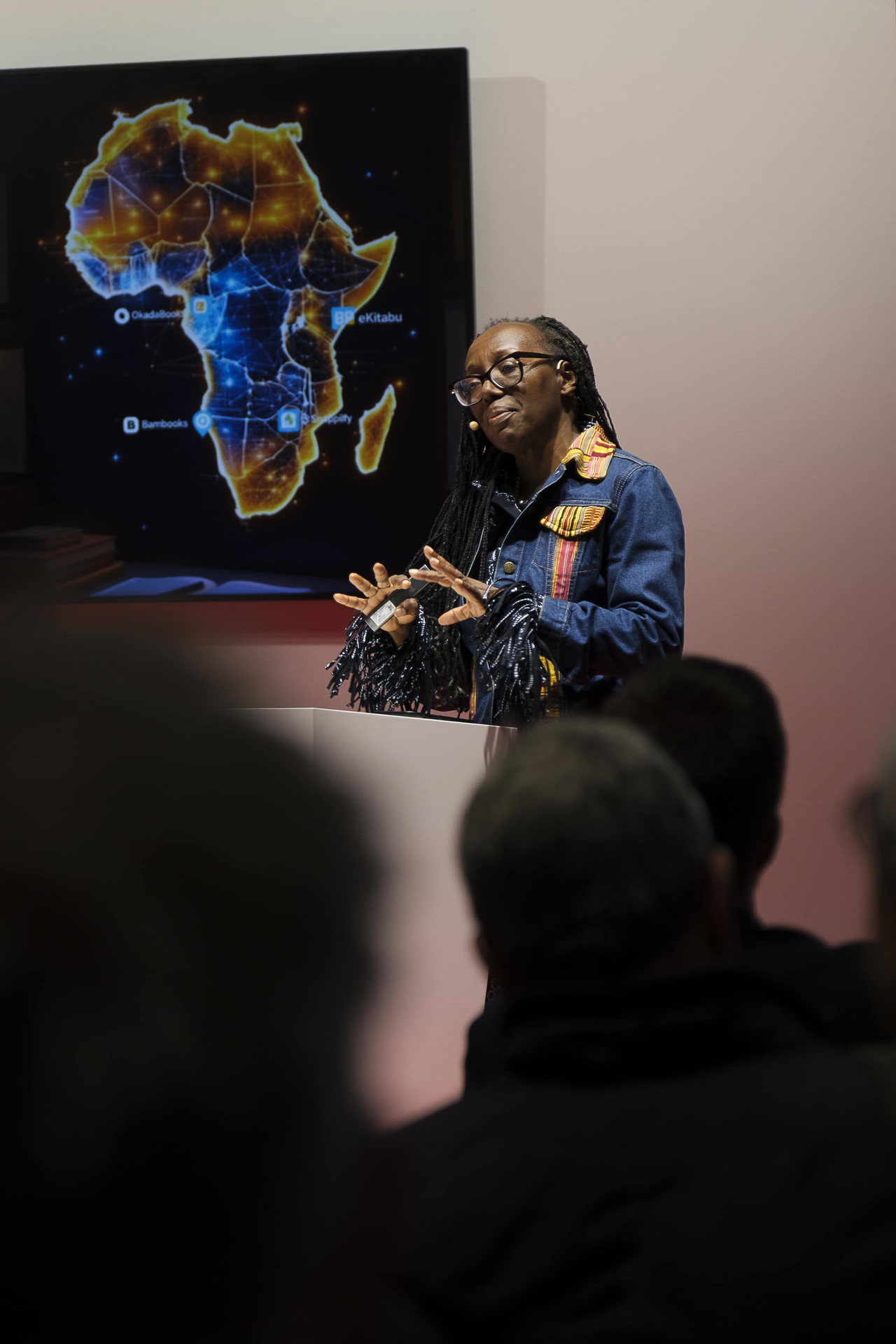
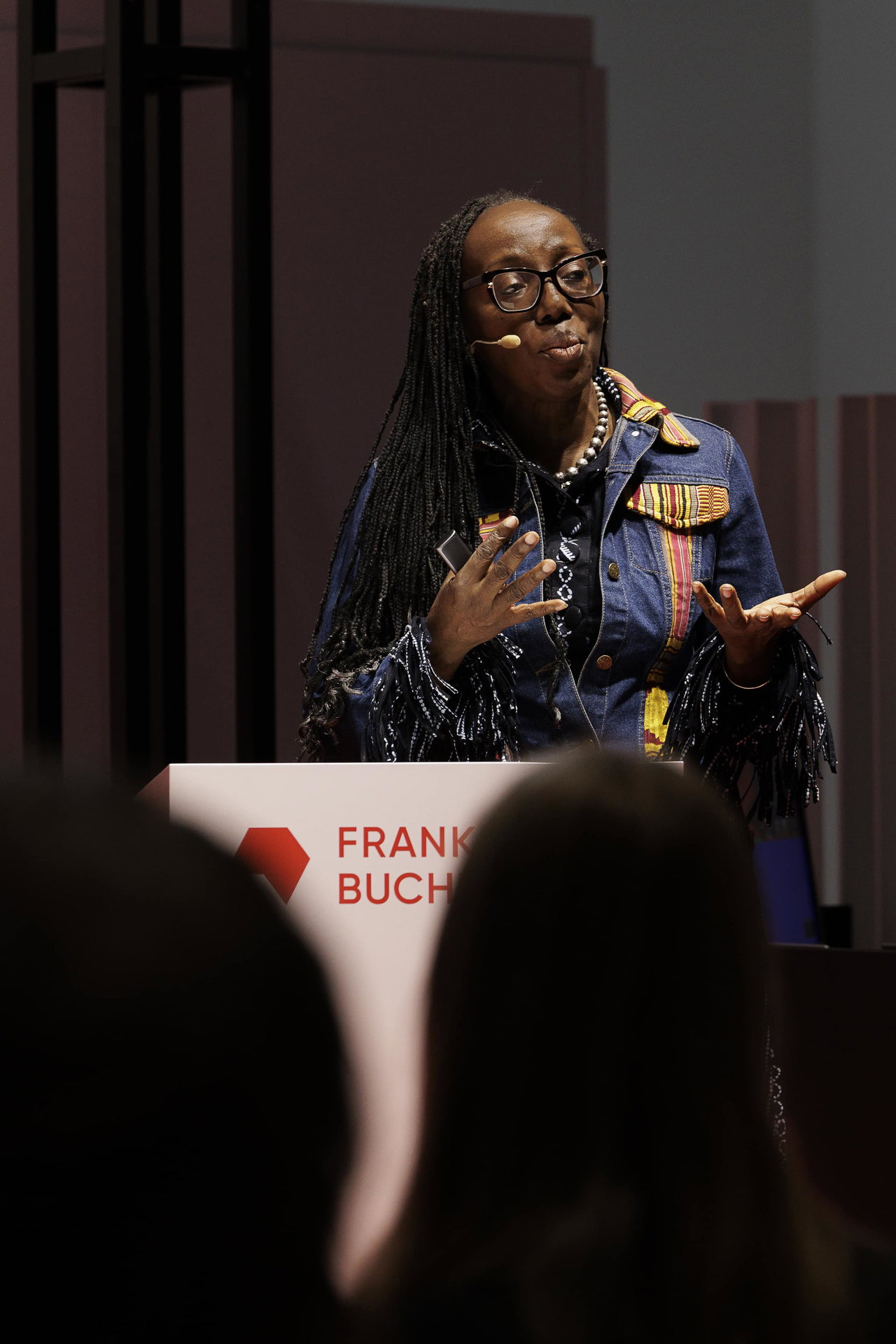
At AkooBooks Audio, we prioritize African narrators and production teams. Platforms like ours place local voices at the center of storytelling, helping build a sustainable creative economy. Emerging AI tools can support scaling audiobook production in underrepresented languages—but human voices remain essential for emotional resonance and authenticity.
Globally, a team of 250 audiobook professionals at a major publishing house such as PRH can produce more than 4,500 titles a year. By comparison, our team is very small, yet we strive to produce high-quality audiobooks in multiple African languages. This contrast highlights both the immense potential for growth in Africa’s audio publishing sector and the urgent need for targeted investment in studios, narrators, and production infrastructure.
Creative and economic opportunity
The global audiobook industry is increasingly exploring audio-first originals and dramatized productions, immersive storytelling that blends multiple voices, sound effects, and music. Africa’s deep oral traditions make it uniquely suited to this format, offering the continent a chance to lead in audio drama adaptations that go far beyond traditional recordings of print books.
Audiobooks are creating new careers: narrators, sound engineers, editors, and producers. Studios across Accra, Dakar, Nairobi, Lagos, Kampala, and Johannesburg are training young creatives to professional standards. AI can help scale content, particularly in underrepresented languages, but human voices anchor storytelling and preserve cultural nuance.
Momentum and market challenges
Africa’s music streaming boom and the popularity of podcasts have normalized digital listening, creating a clear pathway to audiobooks. Yet barriers persist: high data costs, low credit card penetration, slow rights clearance, underproduced local-language content, high production costs, and global platform pricing. Many international services fail to integrate mobile money or regional payment systems, limiting accessibility.
Another challenge is timing: audiobooks frequently debut months after their print counterparts because audio rights are negotiated separately and production is scheduled later. Delays like this mean African listeners often miss out on cultural moments and momentum that make stories resonate.
Global platforms and local opportunities
Audible and Apple Books offer international reach, but access across Africa remains limited. Spotify recently launched its audiobook service in South Africa in November 2025 as part of its Premium Platinum tier—well beyond the reach of most local listeners. Storytel is not yet available across Sub-Saharan Africa. Many global platforms are priced too high for local purchasing power and do not integrate mobile money or other African payment systems. This is why local platforms like AkooBooks Audio and YouScribe remain essential for affordable, accessible content.
Yet these gaps also present a major opportunity. Global publishers could dramatically accelerate their reach by commissioning audiobook production on the continent or forming co-production partnerships with African studios. Doing so would reduce costs, build local capacity, ensure cultural authenticity, and unlock faster access to African and diaspora audiences. Africa has the talent: producers, editors, narrators, engineers, but it needs investment and structured collaboration to scale at global standards.
In Francophone Africa, YouScribe has become a key access point across Côte d’Ivoire, Senegal, Morocco, and the Democratic Republic of Congo. Beyond these, FC Audio Edit in Togo and Adinkra Jeunesse in Côte d’Ivoire illustrate how the region’s production ecosystem is expanding beyond traditional hubs. Strengthening partnerships between these local creators and global publishers would not only widen distribution but also help retain economic value within the continent.
Insights from UNESCO
The UNESCO Africa Book Industry Report (2025) highlights both the potential and structural challenges of African publishing. Africa represents just 5.4 % of the global publishing market, generating US $7 billion annually despite accounting for over 18 % of the world’s population. With targeted investment, the sector could grow to over US $18.5 billion, with digital formats, especially audiobooks, driving growth.
Platforms like Snapplify, AkooBooks Audio, YouScribe, and regional telco partnerships are already extending reach while strengthening local production and rights management.
Francophone and Anglophone dynamics
Francophone West and Central Africa benefit from European literary networks, grants, and platforms like YouScribe, while Anglophone markets—Nigeria, Kenya, South Africa, Ghana—integrate more easily with global English-language platforms. English audiobooks reach wide audiences, but local-language storytelling often takes a back seat. Expanding content in African languages is essential to preserve culture, improve education, and unlock new listeners.
The presence of the African Observatory of Publishing Professionals (OAPE) and regional festivals including the International Book Fair of Abidjan (SILA), the Dakar Rentrée Littéraire, and cultural gatherings in cities such as Garoua have helped strengthen the ecosystem, creating awareness around rights management, audio production skills, and literary export.
Toward a more inclusive audio future
For Sub-Saharan Africa’s audiobook sector to reach its full potential, investment and collaboration must prioritise linguistic diversity, cross-border rights exchange, and equitable access. Different regions may be shaped by distinct histories and infrastructures, but they share the same opportunity: to amplify African voices and democratise access to reading.
Audiobooks are more than a format—they bridge Africa’s oral traditions and modern technology. I’ve seen how a single story in someone’s mother tongue can spark curiosity, build confidence, and foster cultural pride. When people literally hear themselves in the stories they consume, reading becomes a connection, not a chore.
With the right ecosystem support, multilingual and multicultural African stories will thrive locally and travel globally. Sub-Saharan Africa is on the cusp of an audio renaissance. The talent is here, the audience is ready, and the world is finally beginning to listen.
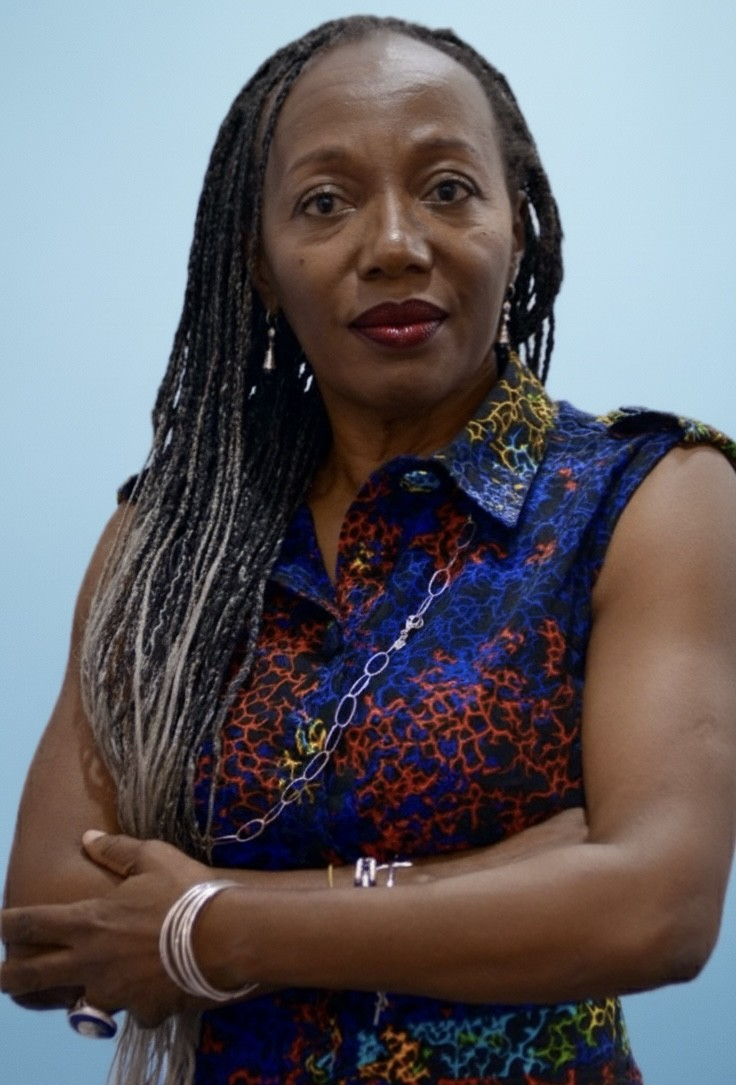
Accra-born publisher, Ama Dadson (LinkedIn profile page), Founder & CEO of AkooBooks Audio and Frankfurt Book Fair Audio Ambassador 2025, is the child of a book author who experienced visual impairment herself, which created increased awareness of the power of the spoken language, which in itself is of overriding importance in Sub-Saharan Africa. She started her career in IT and moved to publishing in 2017 by founding her own Accra-based audiobook publishing enterprise, which was awarded “Startup of the Year” by Women in Tech Africa in 2021.
Credit photo Ama: Yulia Kochetova, PublisHER Lounge.