
„The whole ecosystem becomes faster, fairer, and more global“
Women in publishing technology: Sarah Arbuthnot, Supadu
In this interview series, we speak with women leaders who are shaping the future of Publishing Technology. They share their perspectives on digital innovation, inclusive leadership, and the challenges of working in a male-dominated tech environment. This time: Sarah Arbuthnot, Supadu.

Photo/video: Freepik
The publishing industry is undergoing a digital transformation – and women are playing a decisive role in shaping this change. From artificial intelligence to new distribution channels and innovative production processes, technology is fundamentally changing how books are created, distributed, and read. But who are the women behind these international developments? What visions drive them, what challenges do they face, and how do their perspectives shape the future of publishing?
This interview series is a collaboration with Emma House, an international publishing consultant specialising in event curation and management, research and reports, international business development and mentorship. More information.
How did your career lead you to work in Publishing Technology?
I didn’t begin in publishing; I started in digital advertising and marketing agencies, helping global consumer brands connect with audiences through data, design, and eCommerce. Over time, I became fascinated by how technology could not only sell products but tell stories and connect cultures. When I joined Supadu, I saw the opportunity to bring that same innovation into publishing, helping publishers make their books discoverable, accessible, and purchasable worldwide. My path into publishing technology has really been about applying digital best practice to a sector built on creativity and knowledge.
How do you feel the publishing industry is embracing new technologies?
There’s been real progress, particularly since the pandemic; publishers now understand that digital isn’t a side business, it’s part of the business. That said, adoption can still be cautious in publishing, and the industry needs to start considering themselves as story and content sellers, not just storytellers.
What technologies are you most excited about that will change the face of publishing over the next 5–10 years?
AI-driven metadata and discoverability tools will completely transform how books reach readers. Predictive analytics, dynamic pricing, and personalization are also huge opportunities. I’m also excited by the integration of immersive technologies – voice, audio, AR – that will expand discoverability and storytelling itself. But perhaps the biggest change will come from interoperability: when publishers, distributors, and retailers connect through shared APIs and open standards, the whole ecosystem becomes faster, fairer, and more global.
Further interviews from the series
Read also the interviews with Meru Gokhale, Ingrid Skrede, Awatef Mozbeh, Arantza Larrauri, Laura Werle, Brooke Dobson, Virginie Clayssen.
"I champion transparency and accountability"
How do you personally use frameworks or decision-making tools to create fairness and objectivity in your leadership?
Of course there are important human factors to consider, but I try to make data the starting point for every decision, whether that’s book data, performance metrics, customer feedback, or staff workload. But data alone isn’t enough; I balance it with empathy. I champion transparency and accountability, and I consciously check for bias – who’s being heard, who’s not. Fairness starts with awareness and structure.
How can we ensure new technologies in publishing are inclusive and benefit a wider range of voices and stories?
By asking questions at the initial stages. Who built the tool? Who trained the model? Whose data was included? Technology isn’t neutral; it reflects the people who create it. We need to involve diverse voices from the outset and build metadata frameworks that respect linguistic, regional, and cultural variation. Discoverability should not be biased toward Western, English-language, or high-visibility content.
When it comes to technology, if you had an ask of the publishing industry, what would it be?
Invest in your metadata and infrastructure as much as anything else you do. Visibility starts long before the campaign. Better metadata, faster supply chains, and open collaboration between partners are what truly move books across borders. My ask would be: let’s stop treating technology as an expense and start treating it as our most powerful enabler.
What skills do you think the next generation of publishing leaders need most?
AI literacy, digital fluency, commercial awareness, and the ability to collaborate across disciplines. The next generation will need to be as comfortable discussing APIs as they are discussing author brand strategy. They’ll also need courage to challenge old models and build new ones that reflect how readers actually find and buy books today.
"Empathy is a strategic advantage"
What is one leadership myth or stereotype about women that you’ve personally worked to overcome – or help others see differently?
That empathy is weakness. In reality, empathy is a strategic advantage. It helps you build better teams, better partnerships, and better products. I’ve learned that you can be both compassionate and commercial; the two are not opposites.
How can the industry better support and advance women in technology leadership?
By creating visible pathways. That means mentorship, sponsorship, and flexible working structures that don’t penalize women for life outside work. It also means measuring inclusion the same way we measure revenue: set goals, track progress, and hold leaders accountable.
What advice do you have to encourage more women to work in publishing technology?
Don’t wait to feel “ready.” Apply, ask, learn, and keep going. The industry needs your perspective. Technology isn’t about coding; it’s about problem-solving, creativity, and empathy – qualities women bring in abundance. Surround yourself with allies who champion your ideas and build you up, make you learn and make you better, and don’t apologise for ambition.
Would you share a situation of gender bias with which you were confronted and which helped change your outlook on your work?
Early in my career, I often found my ideas repeated by others in meetings. Instead of stepping back, eventually I began to step forward, reinforcing my point with confidence. It taught me the importance of claiming space and ensuring other women’s ideas are recognized too.
What is likely to change if there were more women in leading positions in your line of business?
We’d design more inclusive technology tools built for how people actually work and read, not how systems have always been built. More women in leadership means a greater focus on usability, collaboration, and long-term sustainability rather than short-term wins.
Which other women do you most admire in the area of Publishing Technology?
There are so many, this is a very tough question. I admire all the amazing female colleagues I work with day to day; then there are others such as Karine Pansa for her global work on metadata standards and female leaders such as Lisa Sharkey, who is filling our lives with incredible books, and then other leaders like Michiel Kolman and Lisa Lyons Johnston, who champion inclusion and innovation. I also admire the many women quietly building the digital infrastructure that keeps this industry moving, from developers to data scientists to rights managers.
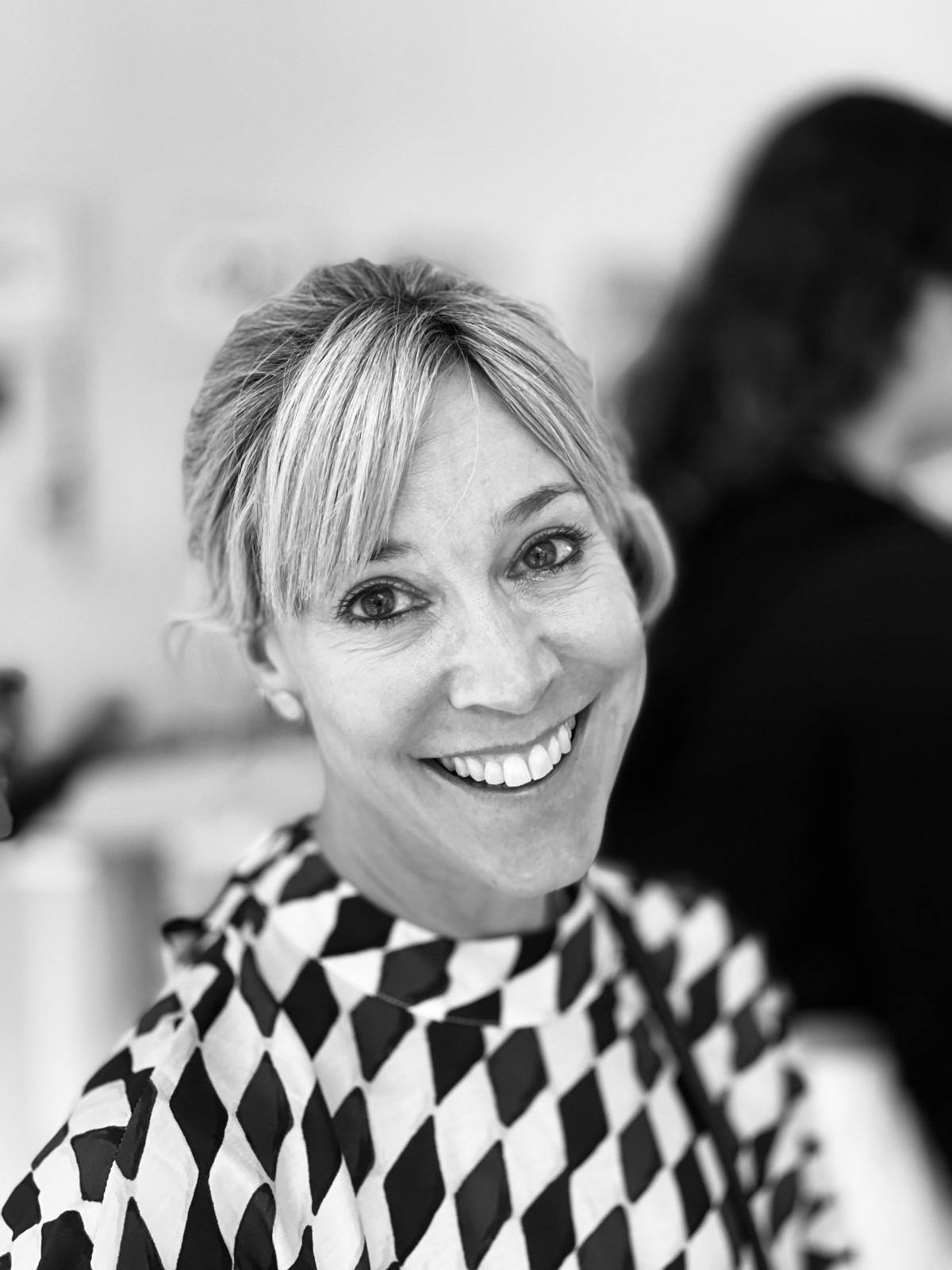
Sarah Arbuthnot, Supadu
I’ve spent my career where digital innovation meets retail and publishing, helping organisations use technology and storytelling to reach audiences more effectively. Before joining Supadu, I led teams in digital agencies and global retail brands, developing ecommerce and marketing strategies that transformed customer engagement and delivered commercial results.
Now at Supadu for a number of years, I bought that experience into publishing, helping hundreds of publishers harness metadata, digital tools, and direct-to-consumer commerce to grow their businesses and connect readers with books around the world. My focus has always been on bridging creativity with data, and strategy with purpose, turning digital potential into real-world impact.
What I love most is that this work blends creativity, data, and purpose. It’s about making books discoverable and purchasable worldwide, keeping the world reading and giving publishers the tools to thrive in a global digital economy
I also co-founded the Green Book Awards, an initiative focused on sustainability in publishing and inspiring change across the industry.